What you can handle safely
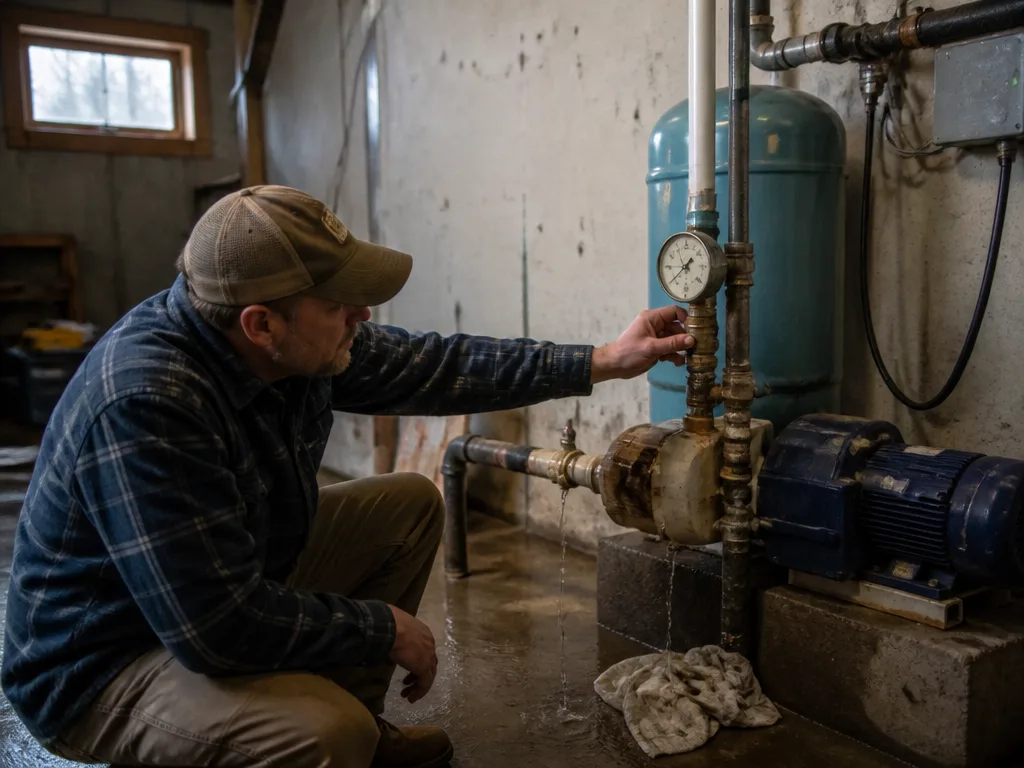
Some routine checks are reasonable for a homeowner. You can inspect exposed components, reset a switch if you know how, and verify that power is reaching the pump. Basic steps like clearing accessible debris near the well cap can be done without special tools.
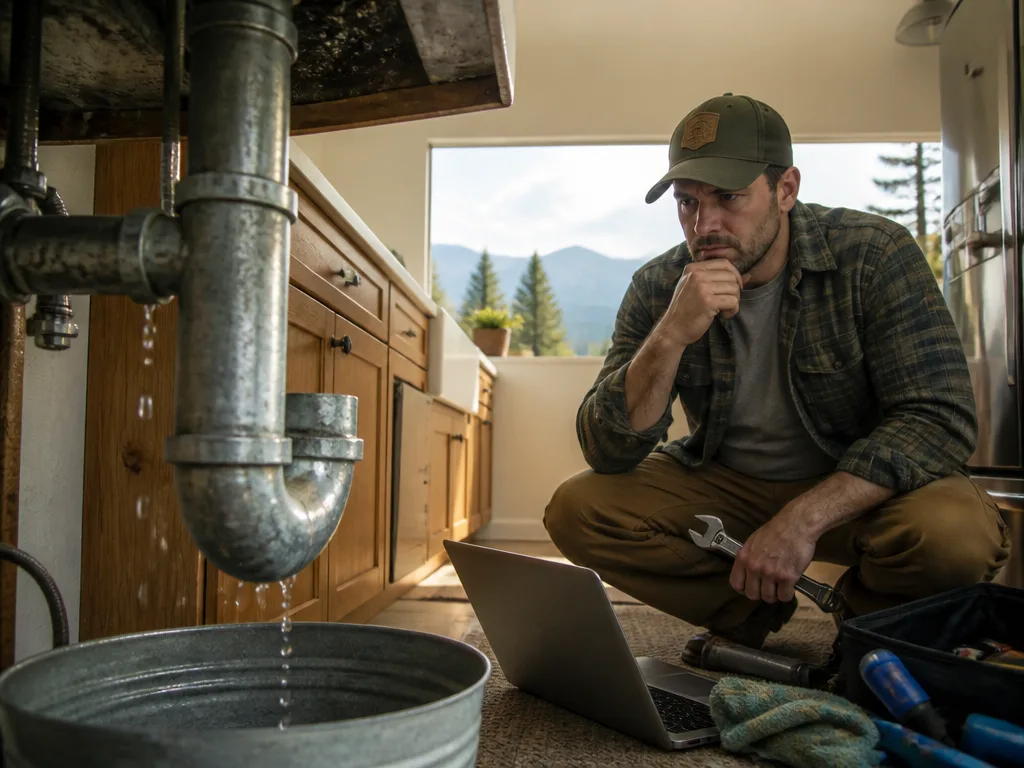
Always prioritize safety. If you’re unsure about what you’re doing or the system is hard to access, pause and call a plumber. Idaho Well Pump Installation has crews statewide to handle even the tight spots.
Signs it’s time to call a plumber
Any of these should prompt a professional visit: persistent loss of water pressure, continuous alarms or unusual noises, or water that suddenly turns milky, salty, or discolored. These conditions can indicate air leaks, faulty switches, worn seals, or pump wear that requires replacement.
Another cue is recurring cycling after a reset. Short cycling often points to a failing pressure tank or a pressure switch that needs calibration or replacement.
What a pro does during a typical service
A plumber will test the whole system in sequence: sense the switch and pressure tank, verify electrical connections, inspect the pump for worn bearings, and check for leaks. They’ll confirm the right pump size for your home and climate, then discuss your options clearly with you.
Across Idaho, our team can perform a diagnostic visit, provide a transparent estimate, and carry out the necessary work with proper parts and tools. You’ll know what to expect before any replacement happens.